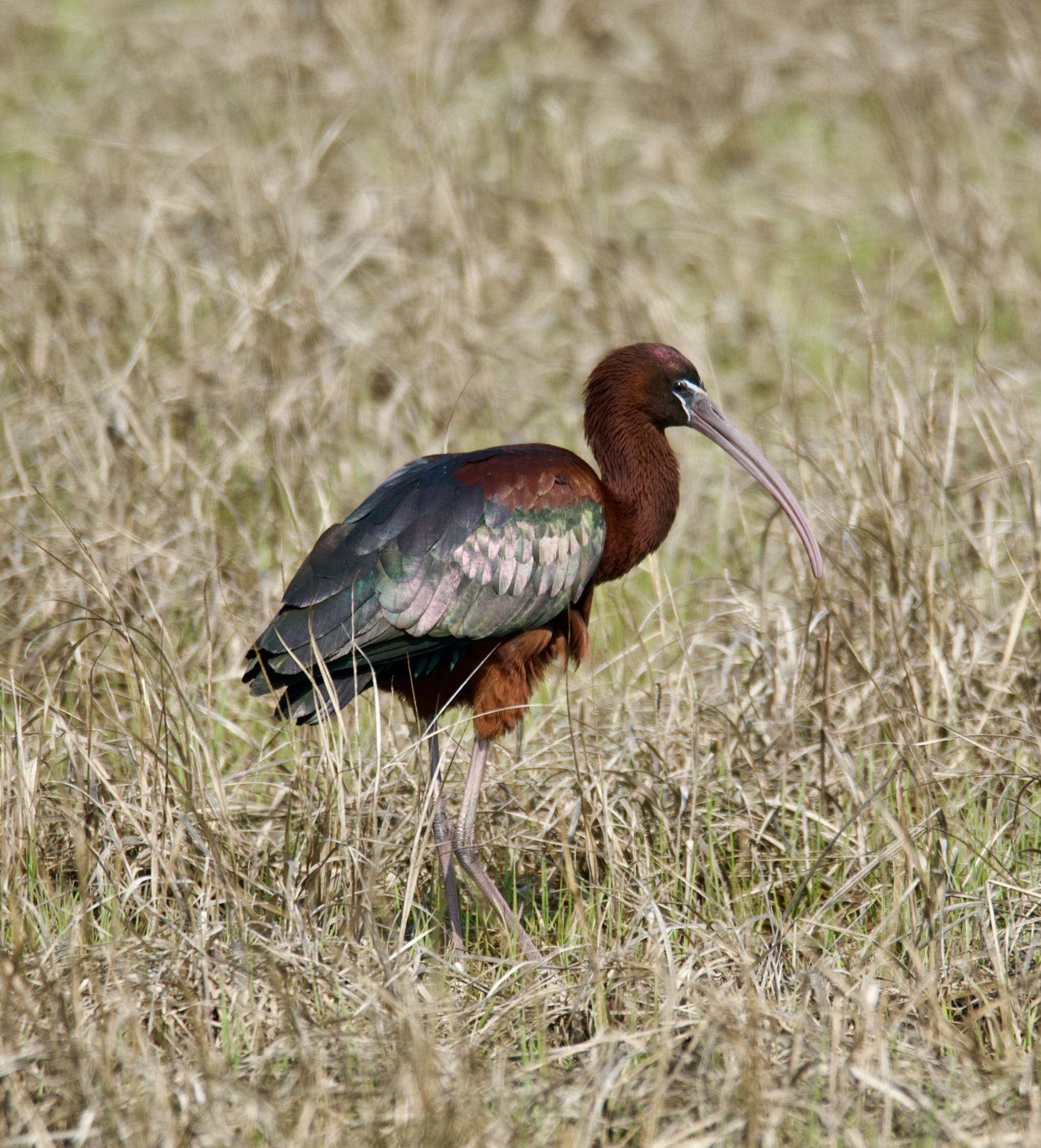

The Ibises skulk around in the grass and the Snowy Egrets remain in plain sight. Spying some Snowies in the marsh, I park illegally and run across the road. At the marsh in Rye, New Hampshire, I observe them for over an hour in all their feathery splendor. There are seven of them, fishing for lunch. I arrive on a windy afternoon, because I want to catch the golden light for the Ibis later on.
White feathers blow in the wind, and the birds simultaneously look funny and beautiful. They continuously catch small fish, then swallow them whole.
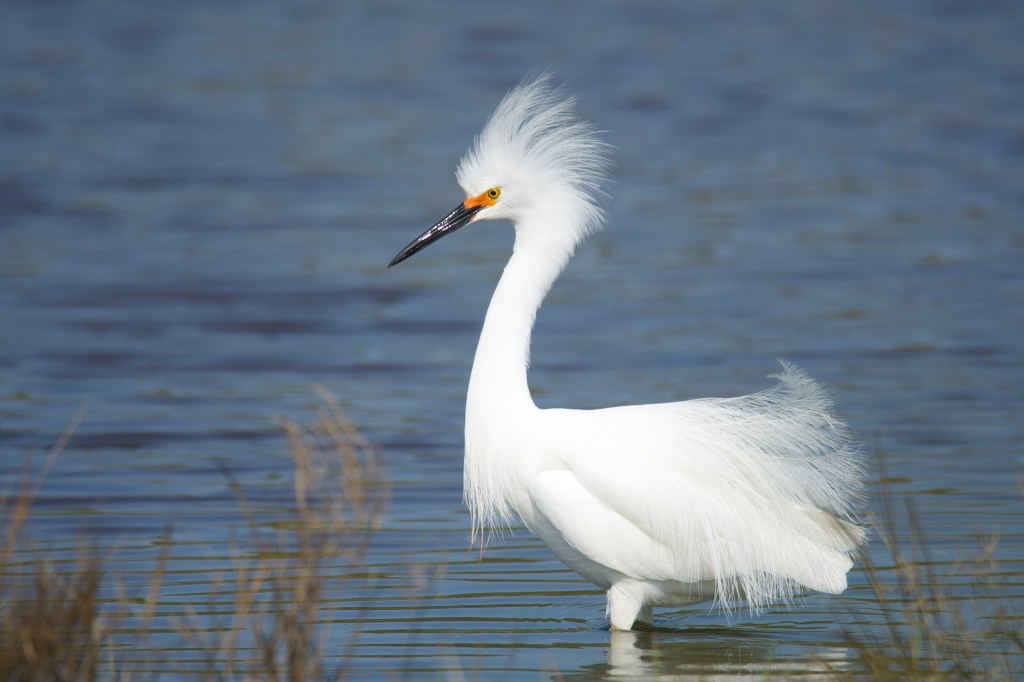
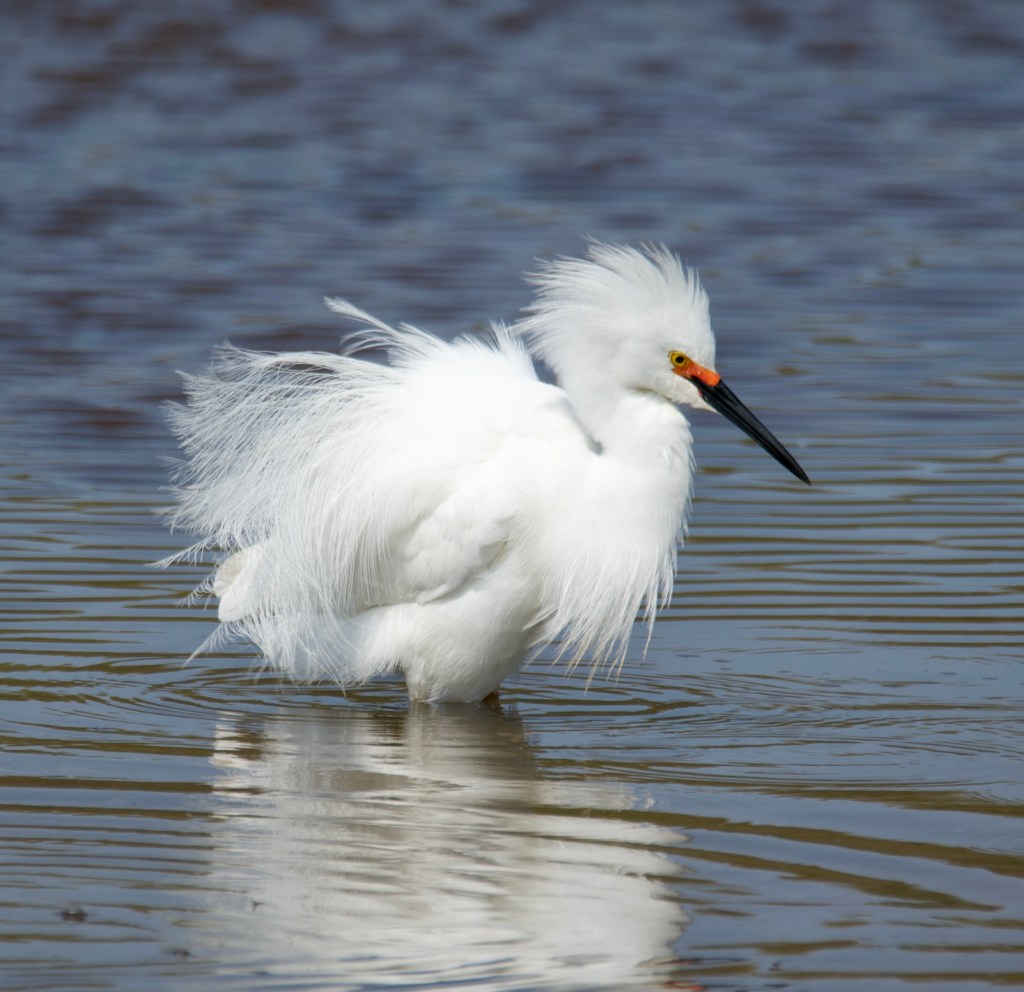
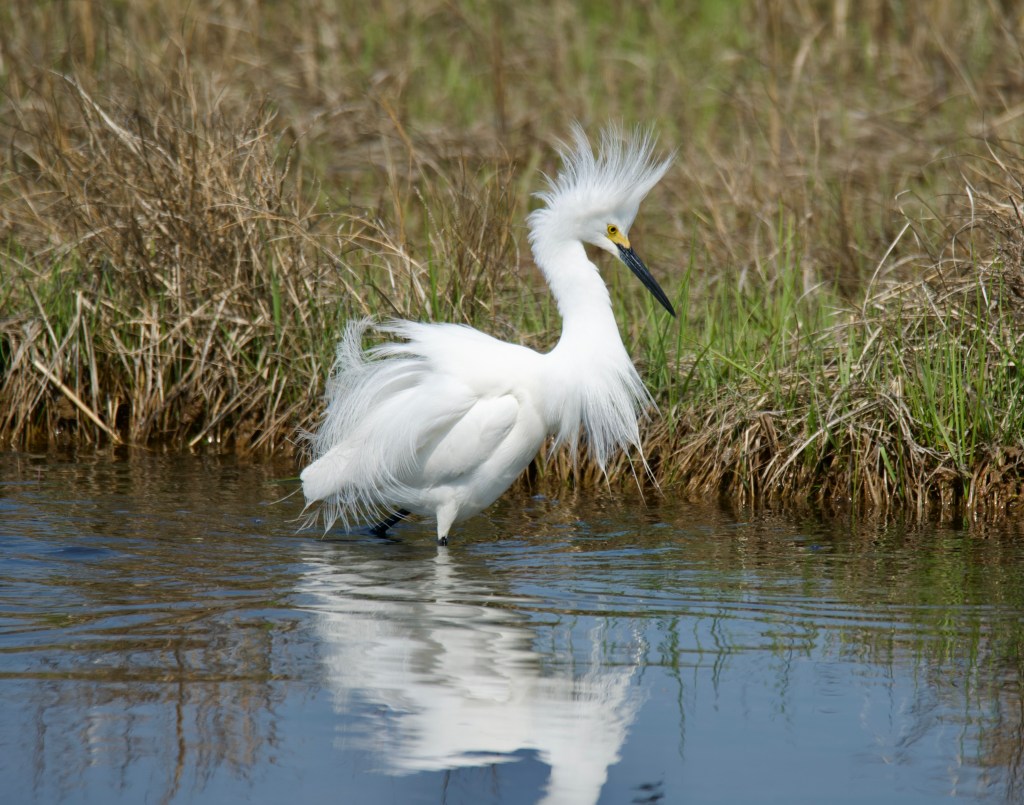
Three Egrets
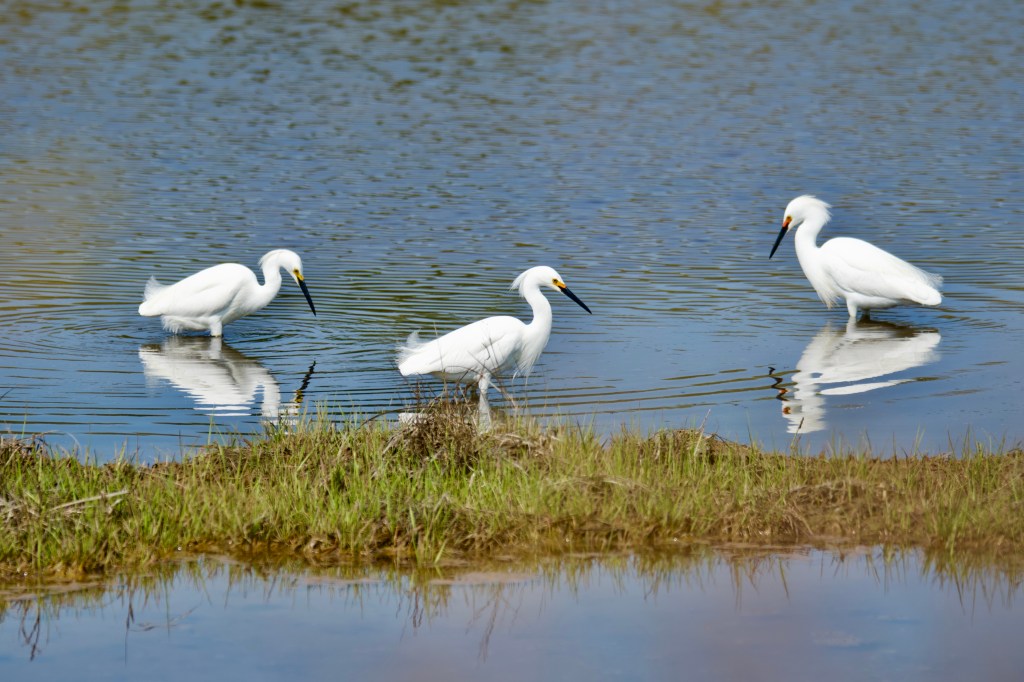
I see a fish…. there it is…..

Got it!
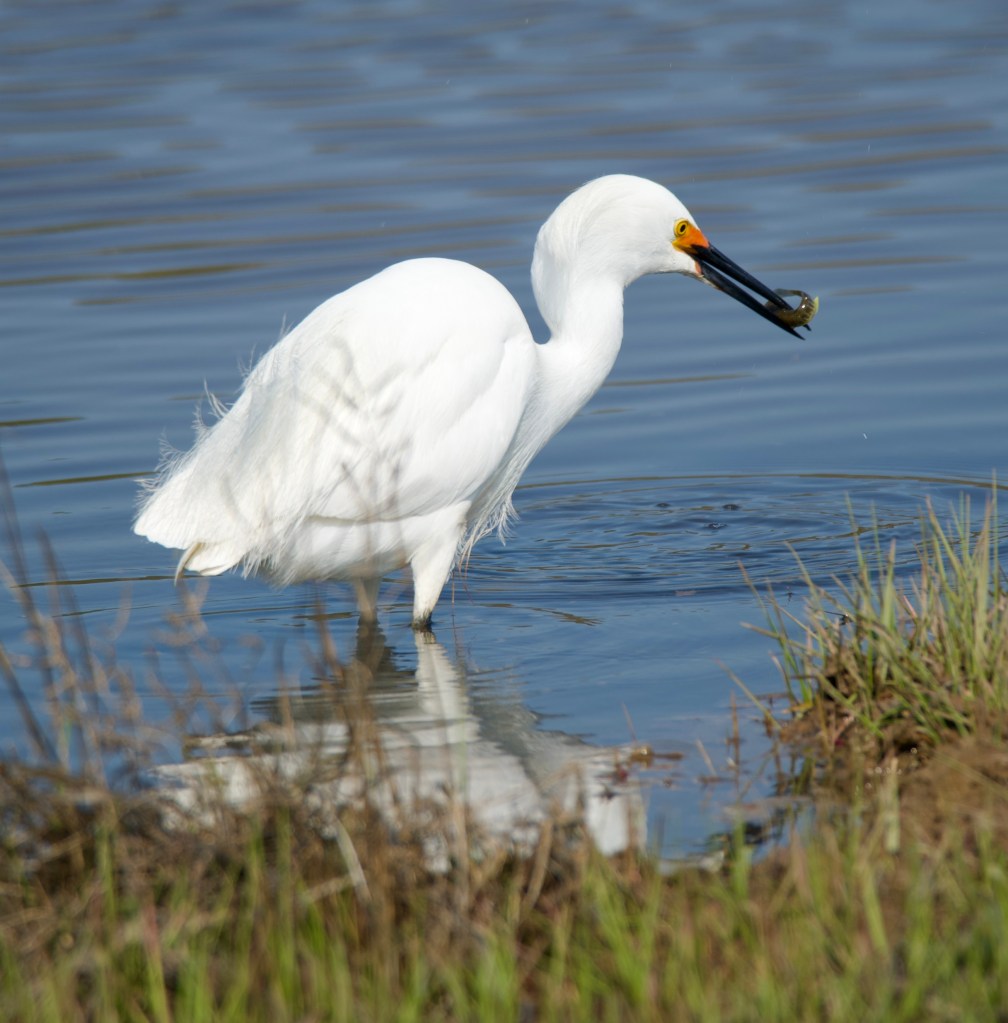
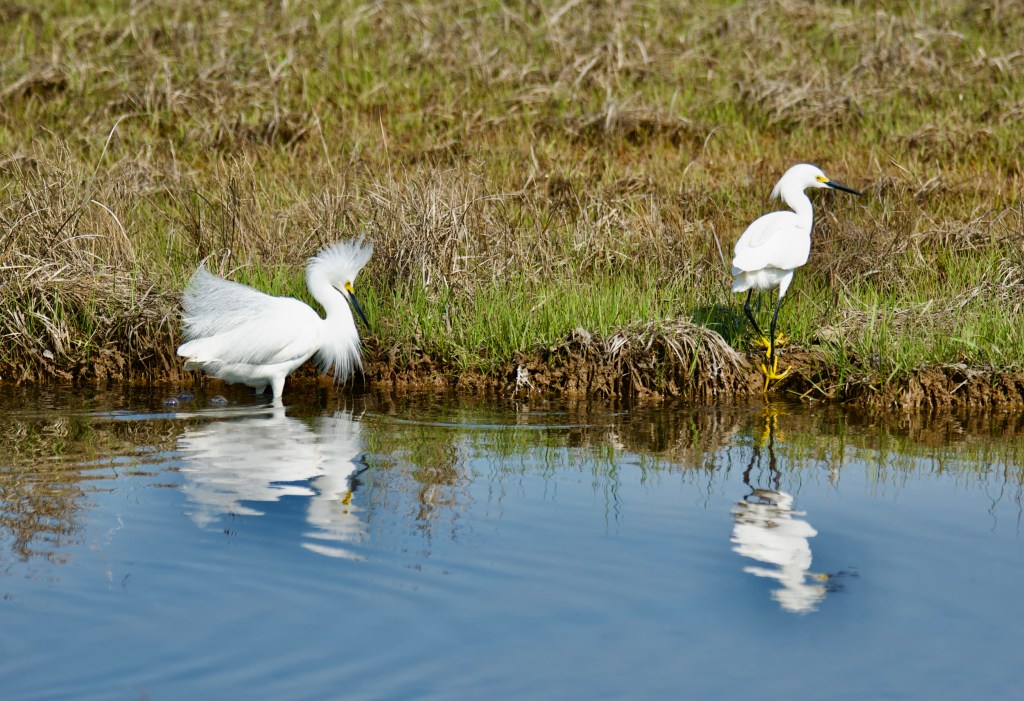
I see another fish….
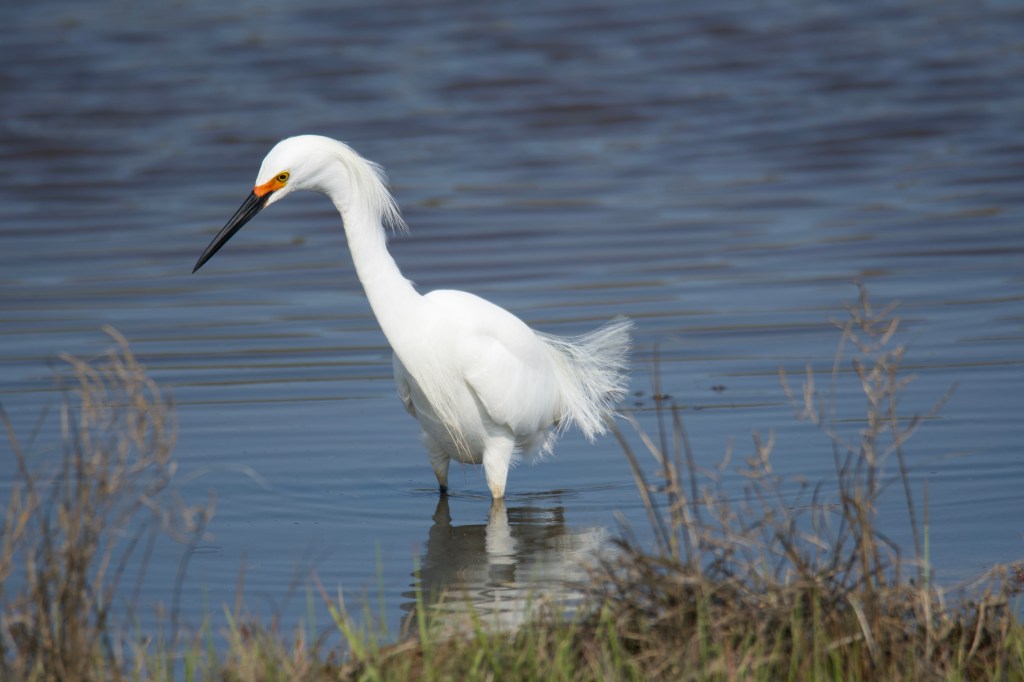
Got a big one!
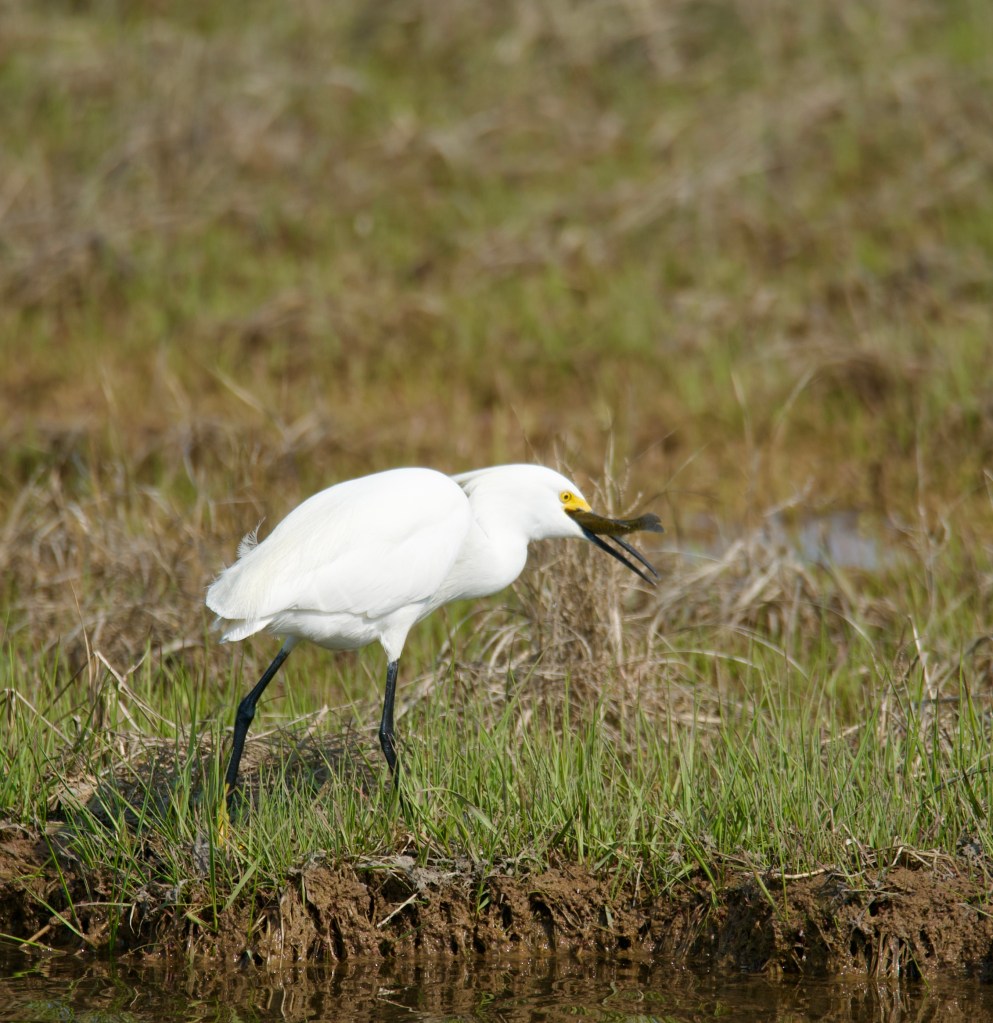
Okay, this one is gonna give me indigestion.
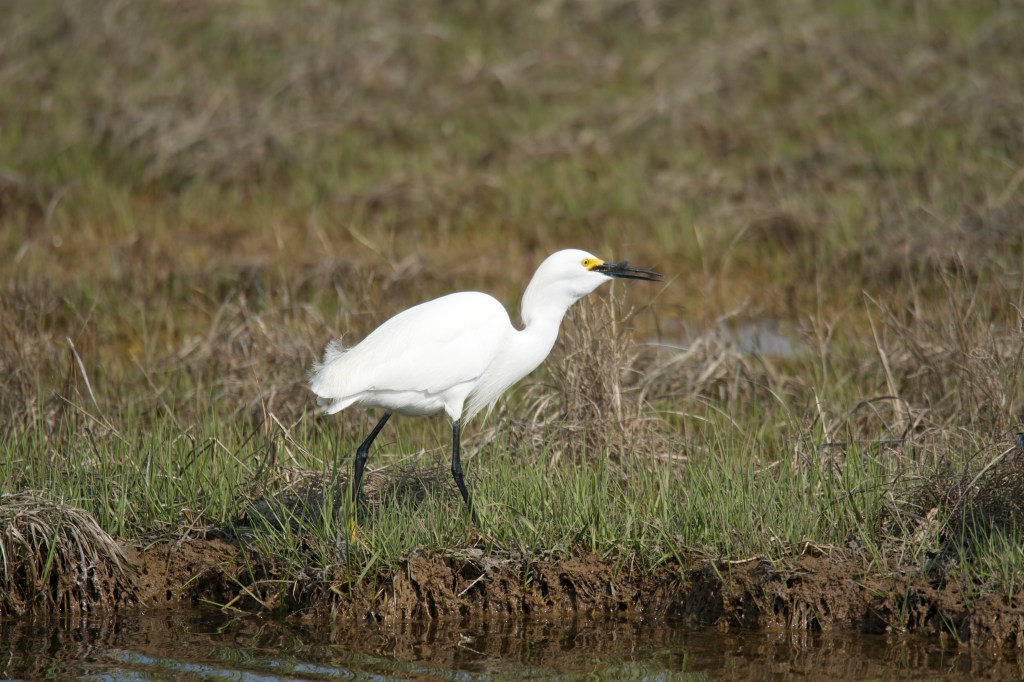
Wow, it’s windy out here!

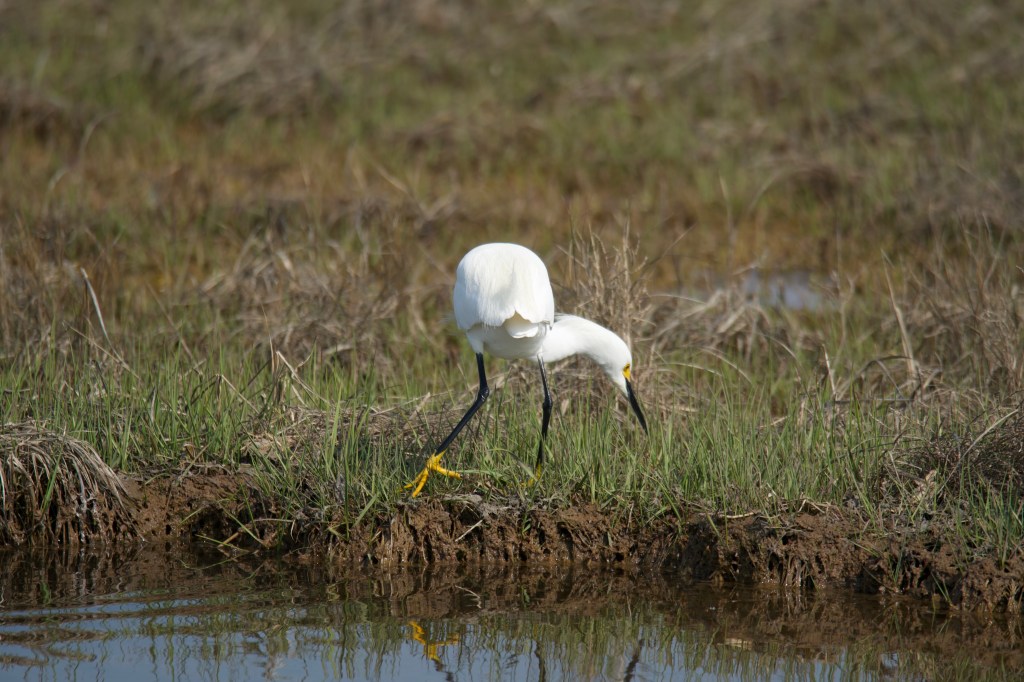
Butt First.. I want to show you my beautiful tuchus…
Glossy Ibis
It isn’t easy to find Glossy Ibis, unless someone tells you exactly where they are. And even then, you still have to search out their location in the large grassy marsh. They love to hide behind the grass and frustrate photographers. But when they do appear, it is really cool to see them!
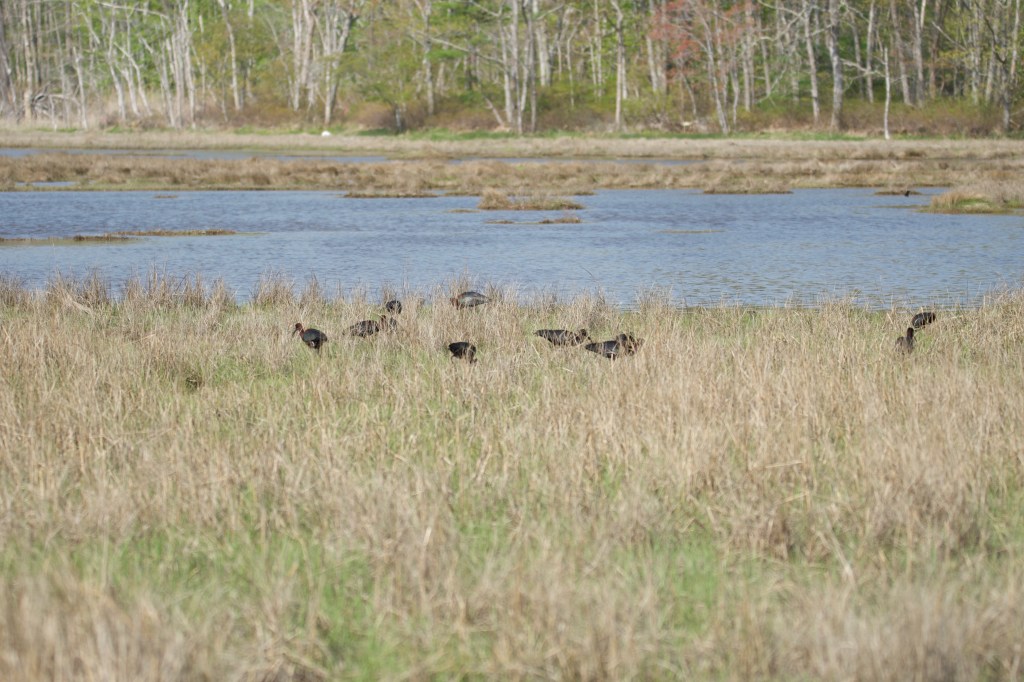
Glossy Ibis look a little bit like Turkeys, but they have curved bills and beautiful colors.
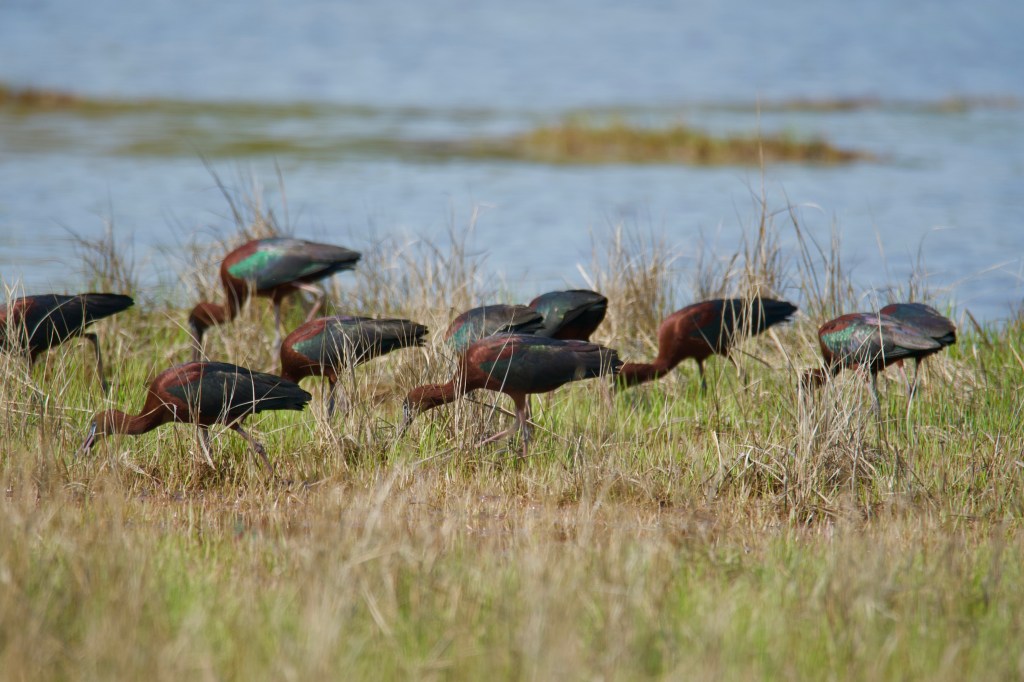
Ibis like to forage in boggy marshes and grasslands near the ocean.
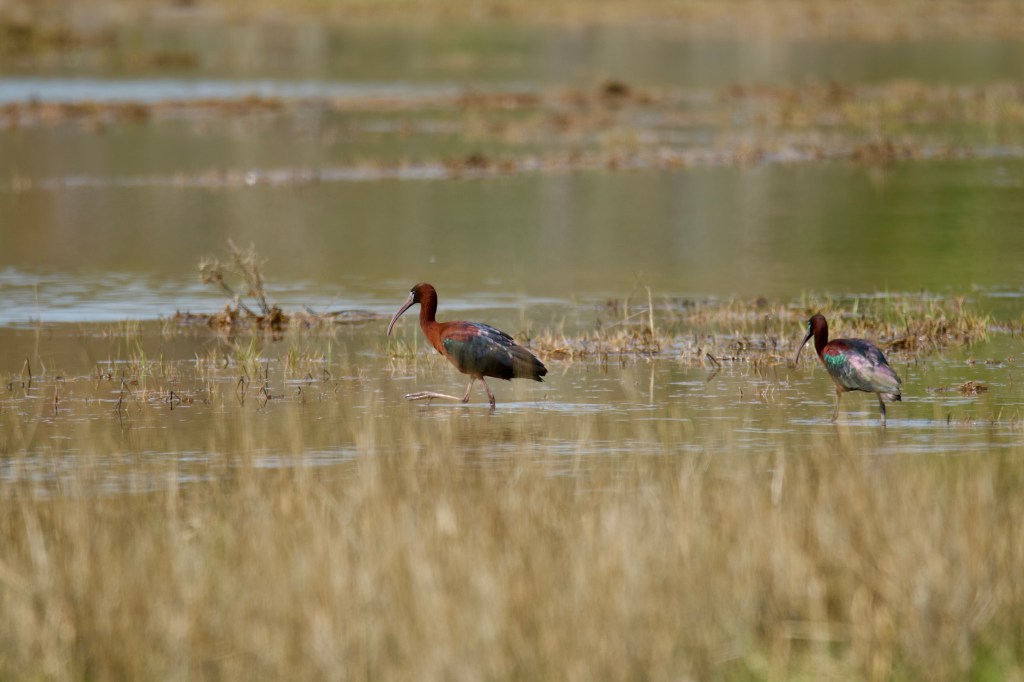
This bird is a recent addition to New England. It is thought to have migrated, on it’s own, from Africa to the Caribbean about 200 years ago. Like many birds, it is slowly making its way north because of a warming planet.
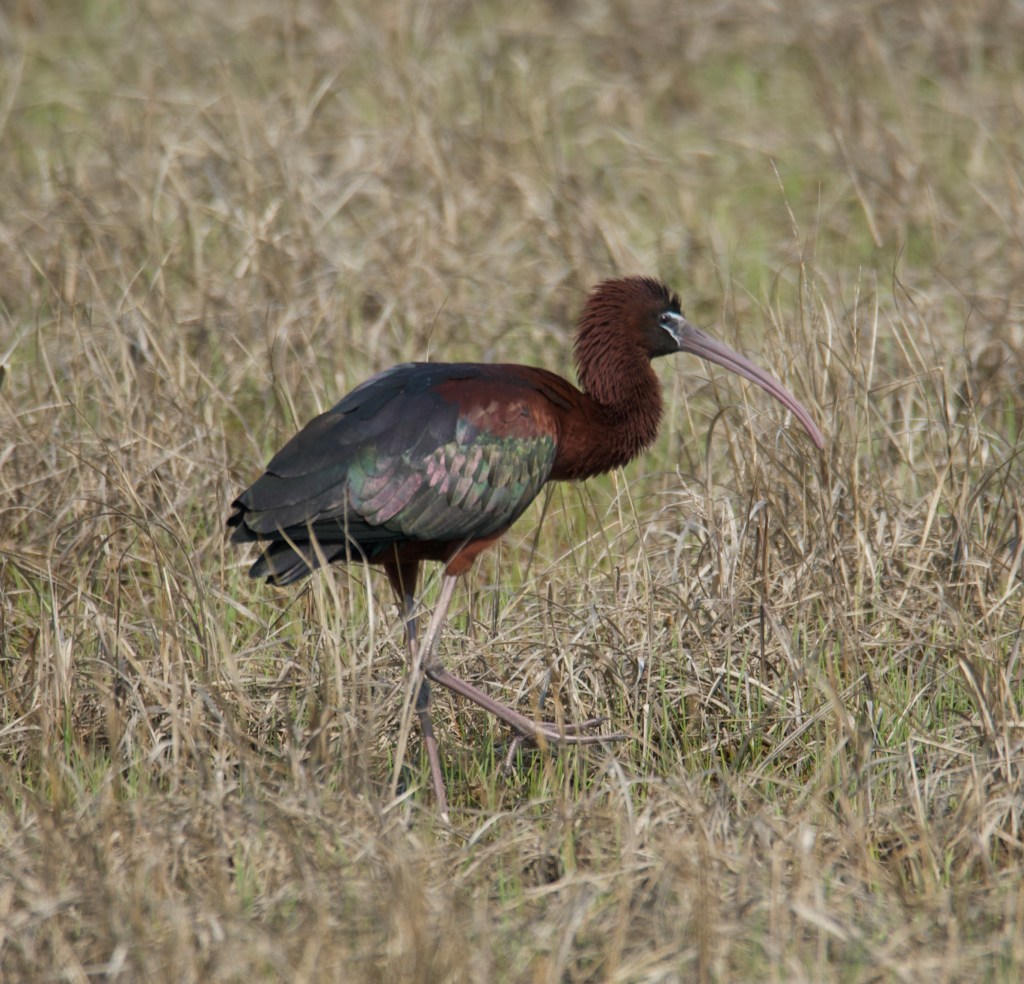
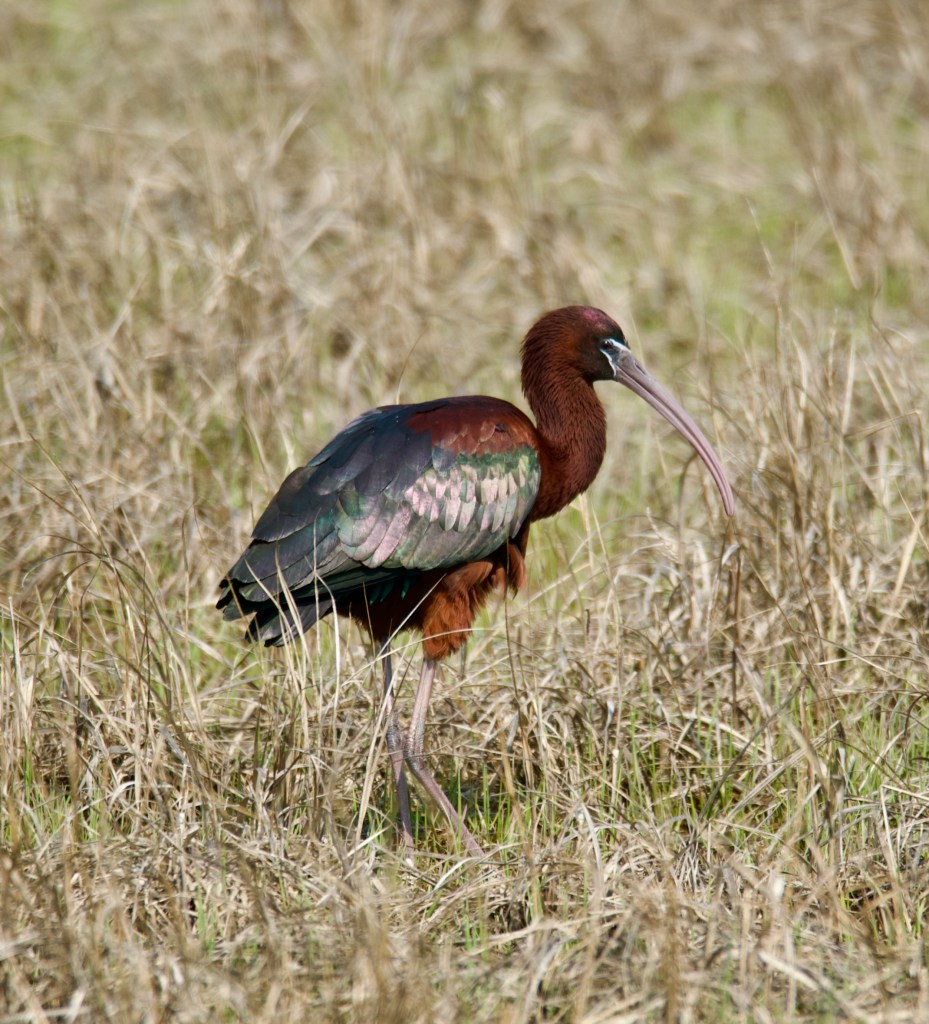
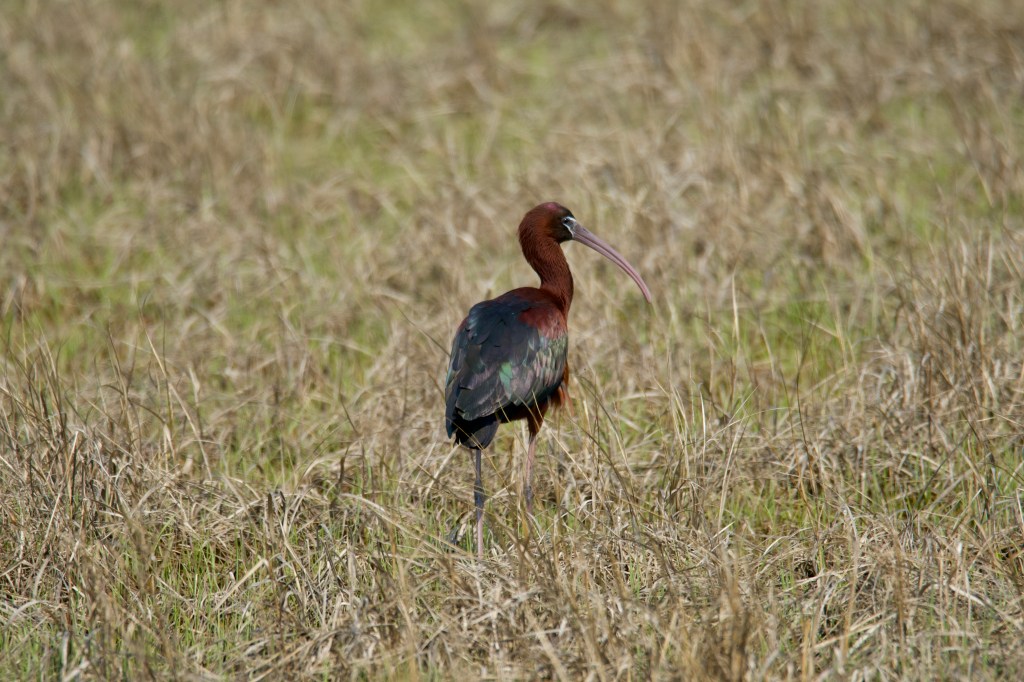
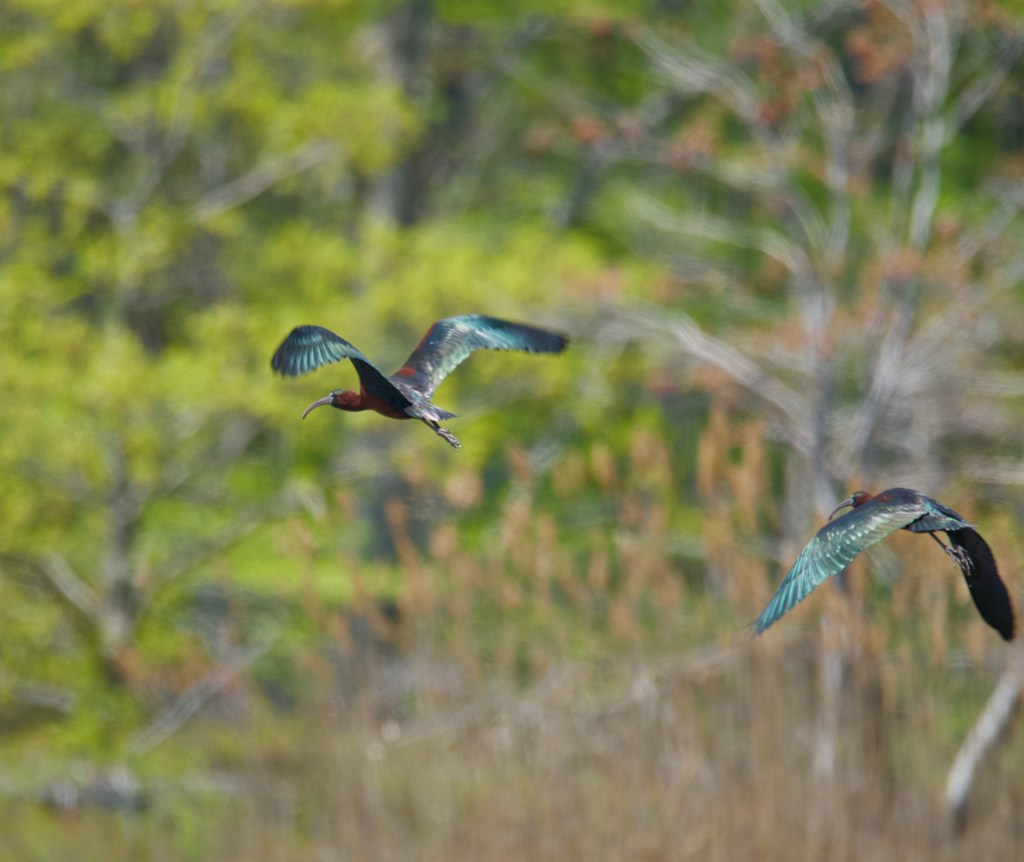
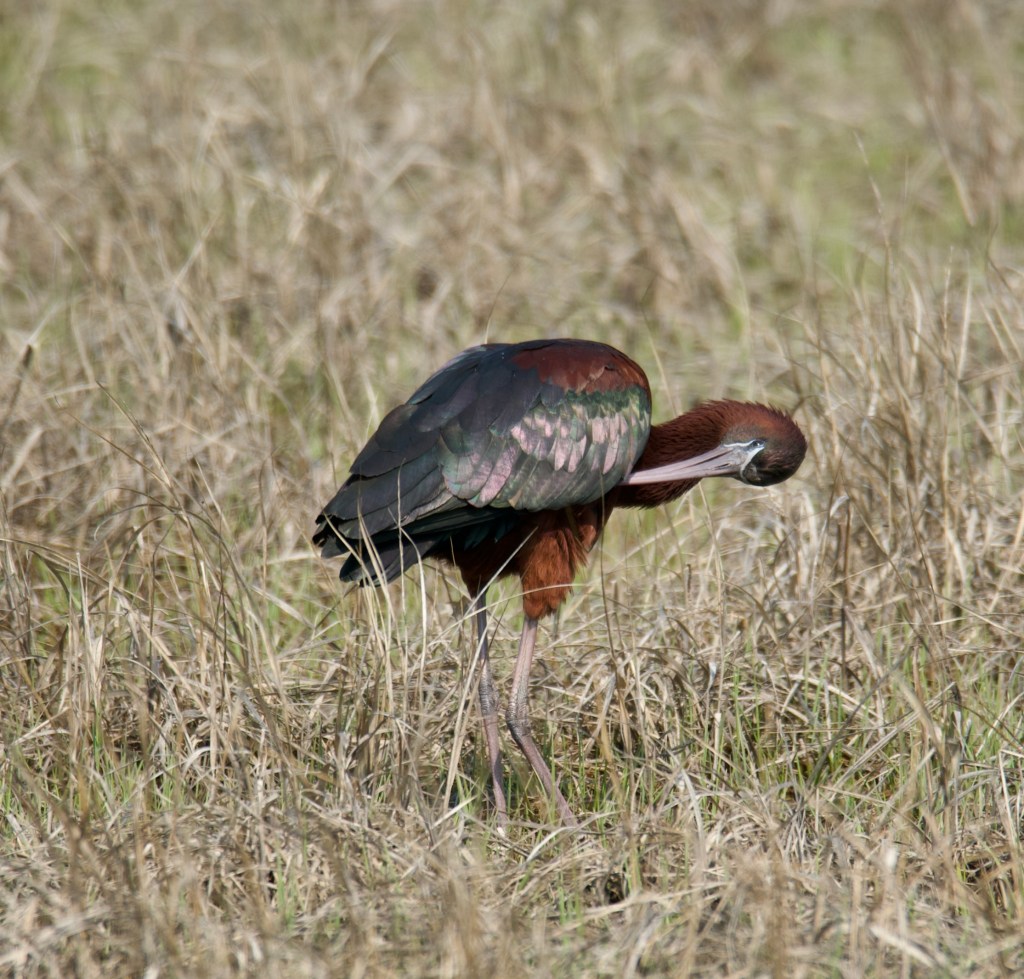
Ibis spend much of their time preening and foraging for food like small crustaceans, fish and many other creatures.
I hope you enjoyed this birding adventure. Stay tuned for next week’s post on …. Warblers!!
Oh, and if you can, please contact your federal representatives and ask them to pass the Saving America’s Wildlife Act which is now under consideration in Congress. The endangered species in our country need your help!!
-
Exploring the Chobe River: A Wildlife Adventure
This is the second time I have visited Botswana’s Chobe Game Lodge along the Chobe River. The first was a few years ago at the end of the driest and hottest season – October. The lodge itself is beautiful, and is fortunate enough to be situated inside of Chobe National Park. After a morning of…
-
Wildlife Conservation in Zambia: The Story of Rhinos
The second stop on our four-country trip is Zambia and the David Livingstone Lodge. Located on the edge of the Zambezi River, this iconic lodge is as beautiful as they say it is. It is July now, and it is wintertime in Southern Africa. Temperatures normally dip down to as low as 40 degrees at…
-
A Journey Through Soweto: Mandela and Tutu’s Legacy
Our enormous airplane lands with a “thud” and rolls speedily down the runway at Johannesburg Airport. My friend Sheryl and I are looking forward to meeting many people (and animals!) on our trip to Southern Africa, and we are relieved that we are walking again after our endless, fifteen-hour flight. The next morning, we set…


Great photos and very poetic writing about the SNEG’s! Charlie
LikeLiked by 1 person
Thanks Charlie! Glad you enjoyed it.
LikeLike
I have never seen the SNowy Egret look so beautiful!!! What a lovely way to think of photographing them. They give swans a run for their money 😀 And I’ve never seen the Glossy Ibis…what a colorful bird! I can’t wait for your next adventure!
LikeLiked by 1 person
Thank you Chris! 🙂
LikeLike
Fabulous Feathery Fotos
LikeLiked by 1 person
Thanks, Peter!
LikeLike
Love, love, love your photographs & commentary!! Where was this lucky marsh area??
LikeLiked by 1 person
Grace, this lucky marsh is in Rye, New Hampshire! 🙂
LikeLike