
Our enormous airplane lands with a “thud” and rolls speedily down the runway at Johannesburg Airport. My friend Sheryl and I are looking forward to meeting many people (and animals!) on our trip to Southern Africa, and we are relieved that we are walking again after our endless, fifteen-hour flight.
The next morning, we set out for the Apartheid Museum. This beautiful museum covers the political struggles and violence of the racist apartheid state during the second half of the 20th Century. In the United States in the 80s, I took part in demonstrations against apartheid but there is nothing like seeing what used to be the center of the struggle in person.
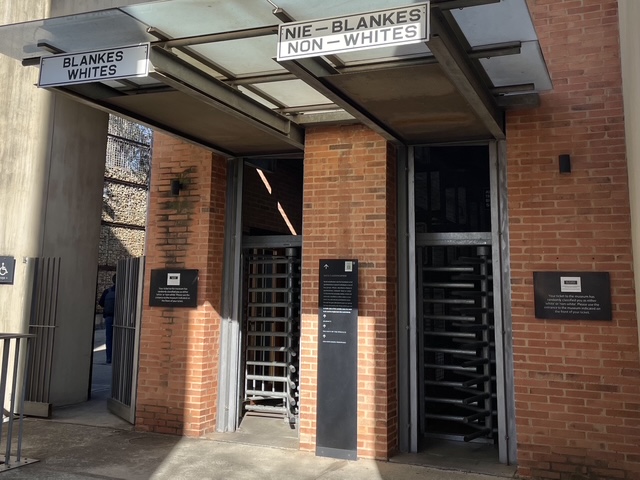
First, we walk through a “Whites Only” door or a “Blacks Only” door at the museum. The racist system of Apartheid was very real for every black person in South Africa (and also in the American South). Many political prisoners were tortured or killed, thrown into solitary confinement, men and women alike. I will try to recount a small part of the history, which is challenging for a short blog post.
The formal institution of Apartheid began in 1948 and lasted for 46 years, after many years of colonial oppression before that. The white minority was in control, even though 80 percent of South Africans were black. The black majority was pushed to the edges into townships, forced to speak Afrikaans in the schools, and punished for speaking up for their rights.
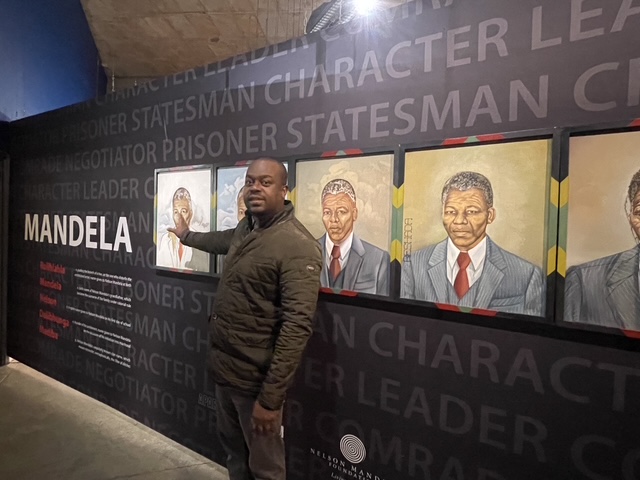
The black population rose up and hit the streets through mostly peaceful protests and demonstrations, demanding change. Nelson Mandela led the movement against this racist system, along with Desmond Tutu, Oliver Tambo and others. Mandela joined the African National Congress in the 1940s, and eventually opened a law office with his friend Oliver Tambo, giving free and low-cost legal advice to those being prosecuted by the legal system of Apartheid. Mandela was accused of treason and spent the next 30 years in prison. He later worked with DeClerk to create a more equitable system of government.
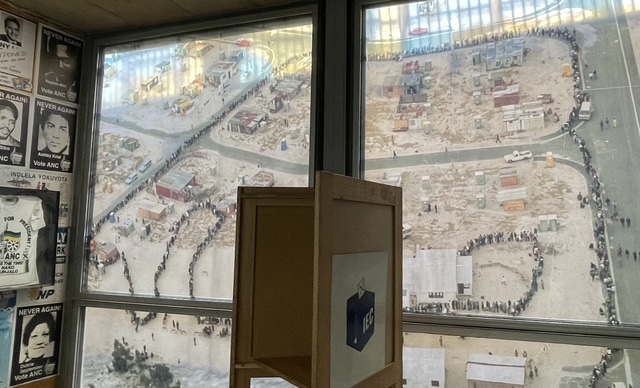
Black citizens finally won the vote and the first democratic election took place in 1994. Below, you will see the long lines around the block on election day. (museum photo.)
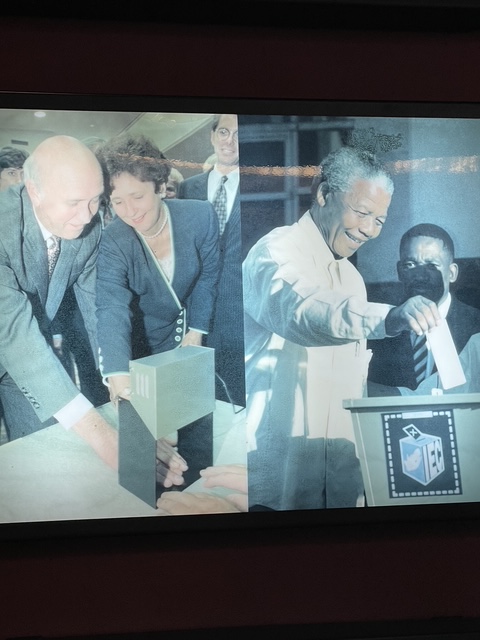
Below, a museum photo of candidates DeClerk and Mandela casting their ballots. Nelson Mandela won the vote and became President of South Africa, ending the political system of Apartheid.
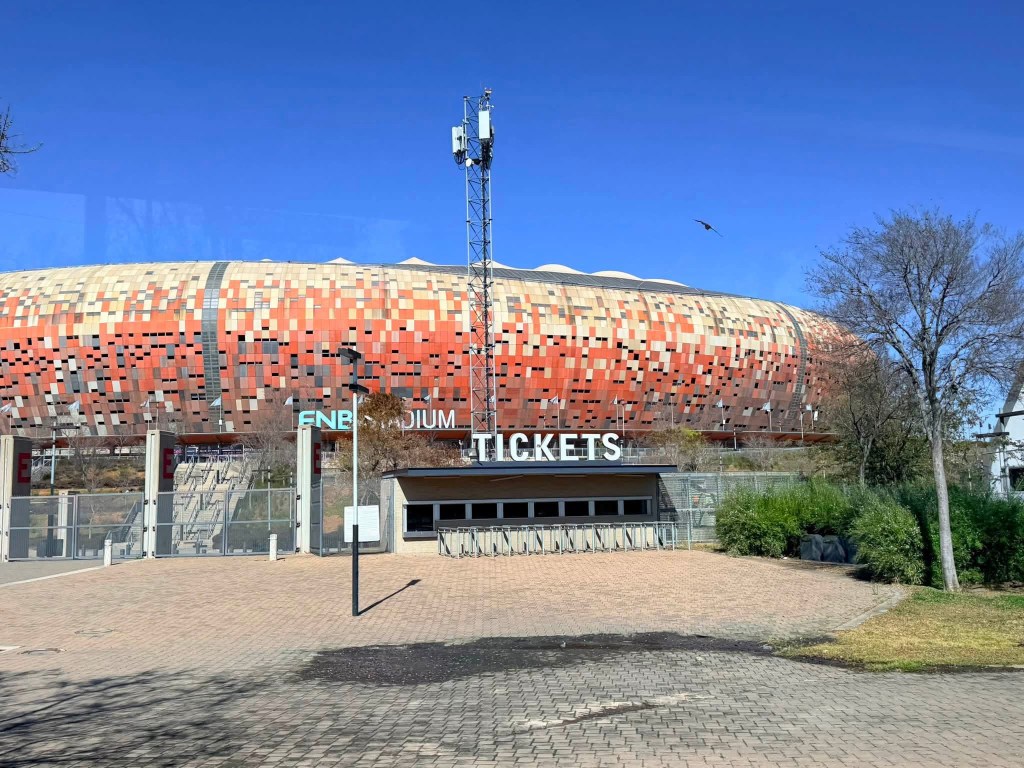
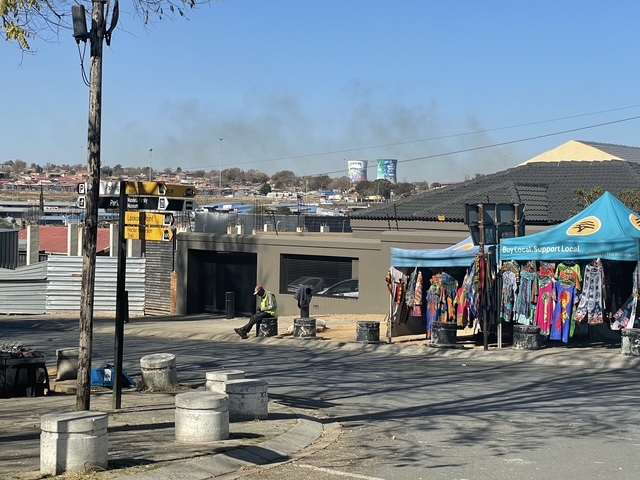
The bus takes us to the outskirts of Johannesburg to the Maboneng Precinct, Soweto, where Nelson Mandela and Desmond Tutu both lived. On the way, we pass this gigantic football soccer stadium (below photo by Sheryl Powers). I think our driver said it can hold 19,000 fans.
We enter Vilakazi Street in Soweto, one of the most famous streets in the world that was home to two noble peace prize winners, Mandela and Tutu.
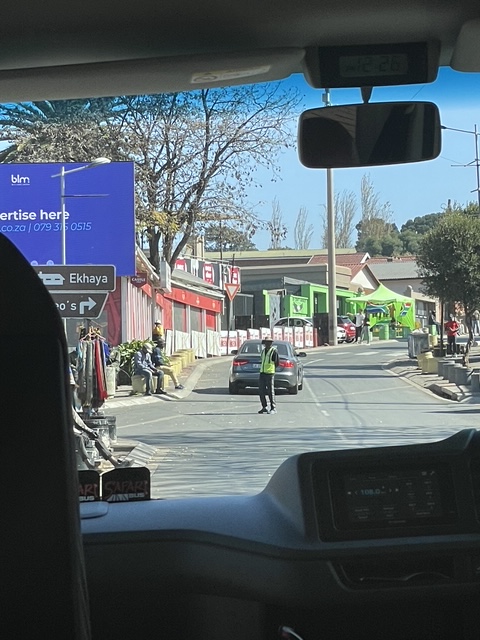
This area is being revitalized with arts, crafts and tourism. I am glad we are here to learn and contribute.
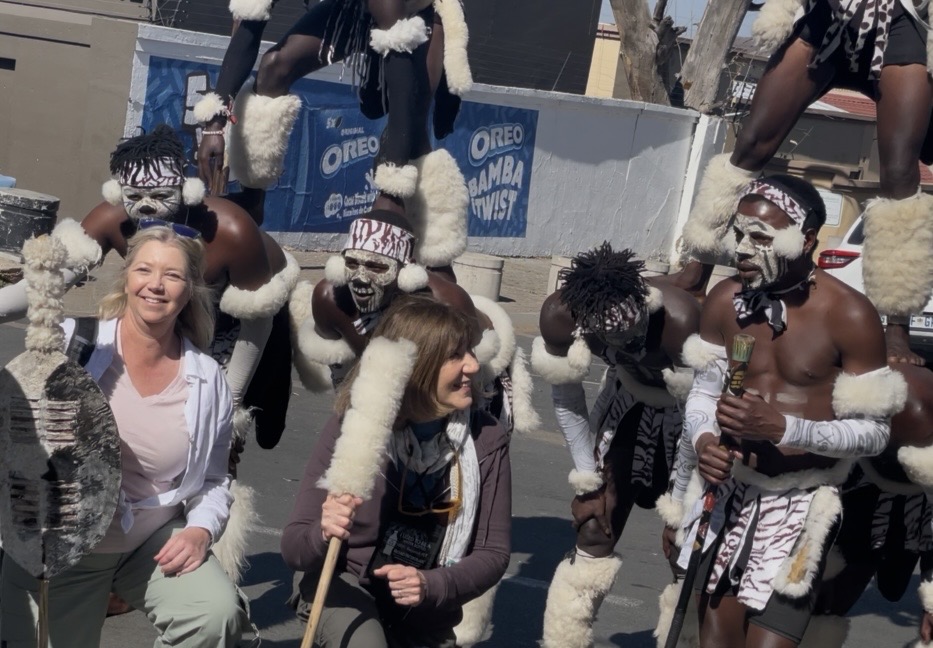
As soon as we step off the bus in Soweto, traditional Zulu dancers greet us with their creative choreography … pretty cool.
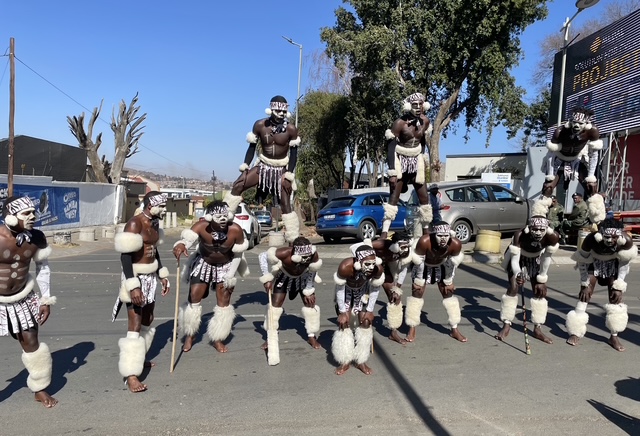
Sheryl, Jill and Angie all join in.
We eat lunch right around the corner from the former Mandela and Tutu homes, which we check out later.
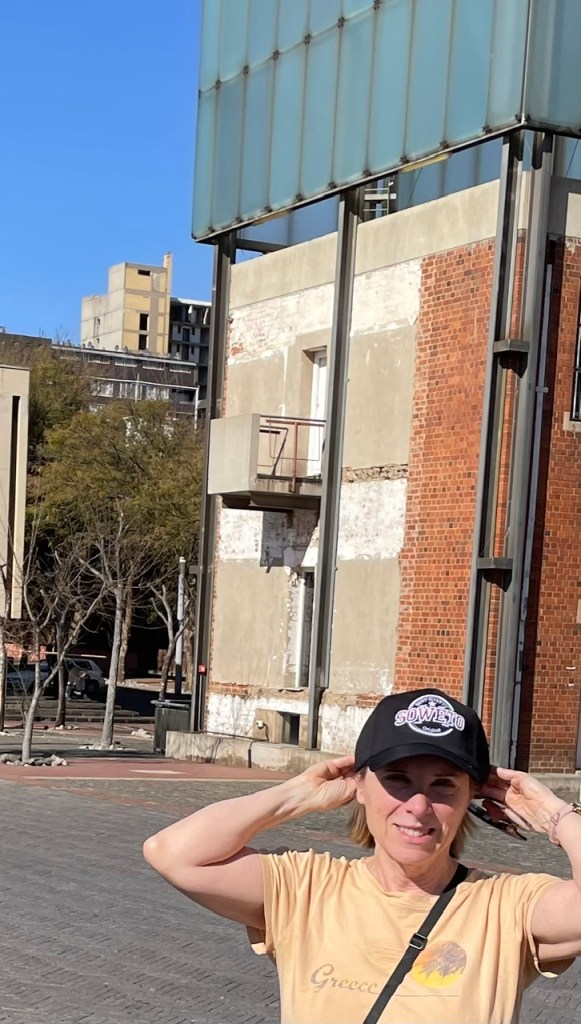
I buy a hat that says “Soweto” on it, and talk to some of the street vendors. I am glad that we are able to contribute in a small way to the artisan businesses there.
Mandela home (below)
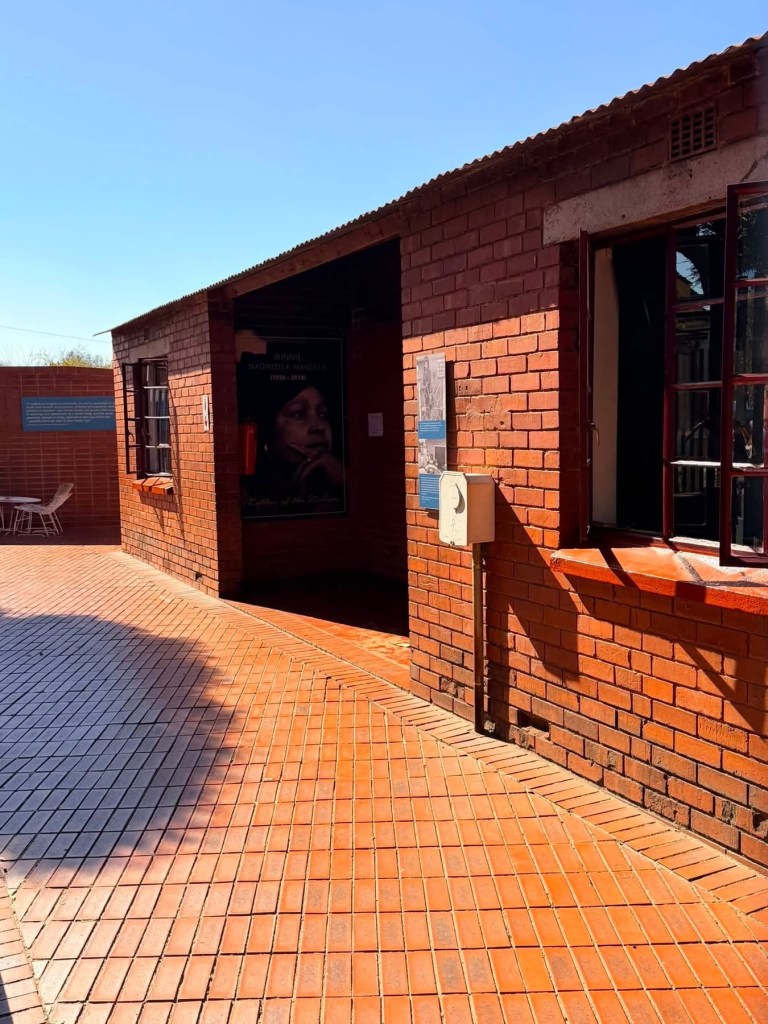
Episcopal Arch Bishop Desmond Tutu spoke around the world to gain support for their cause. A sneak peak into Desmond Tutu’s backyard, below:
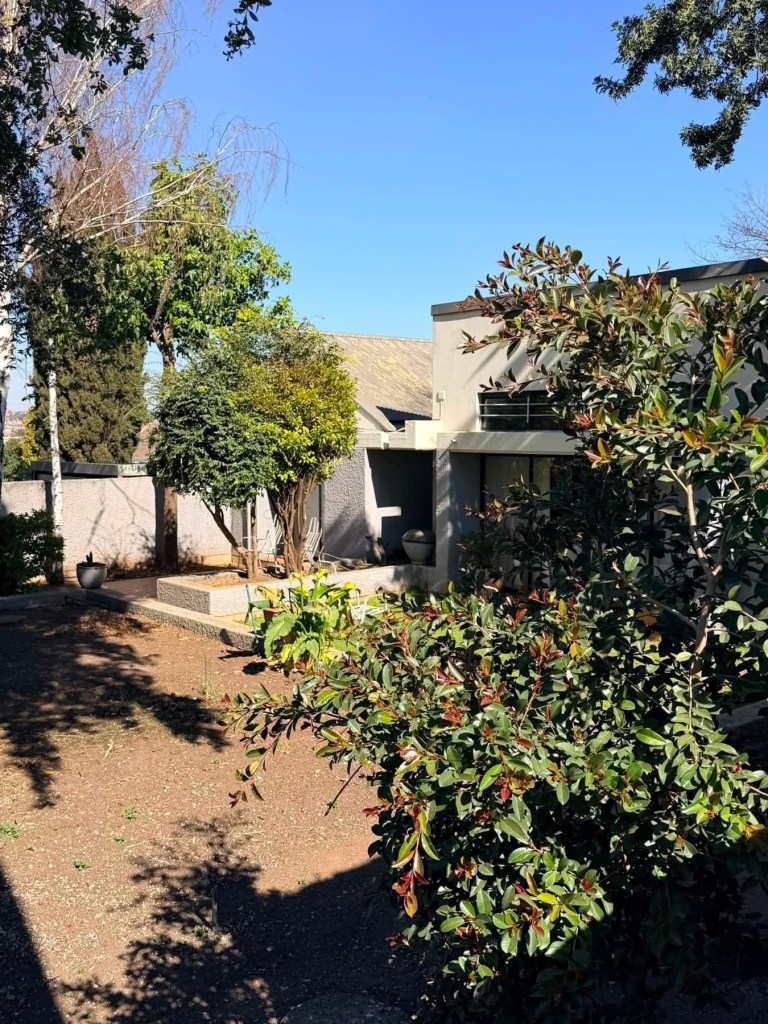
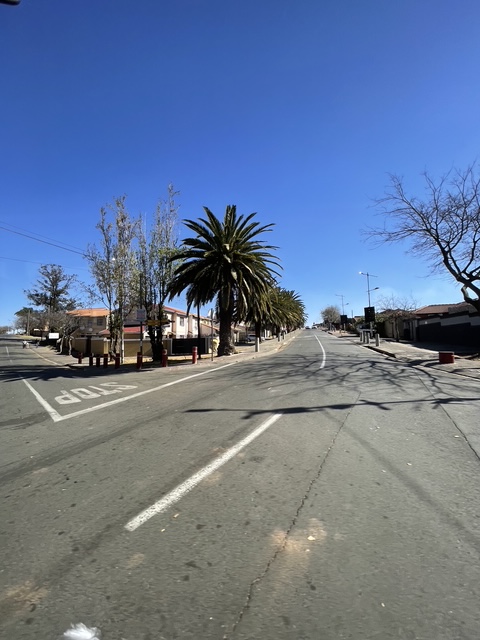
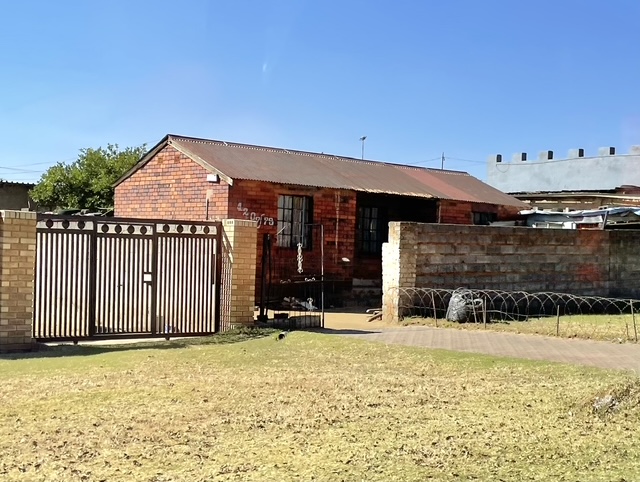
One of the nicer brick homes in Soweto. Apparently, there are many black Africans who still live in shanty-style shacks.
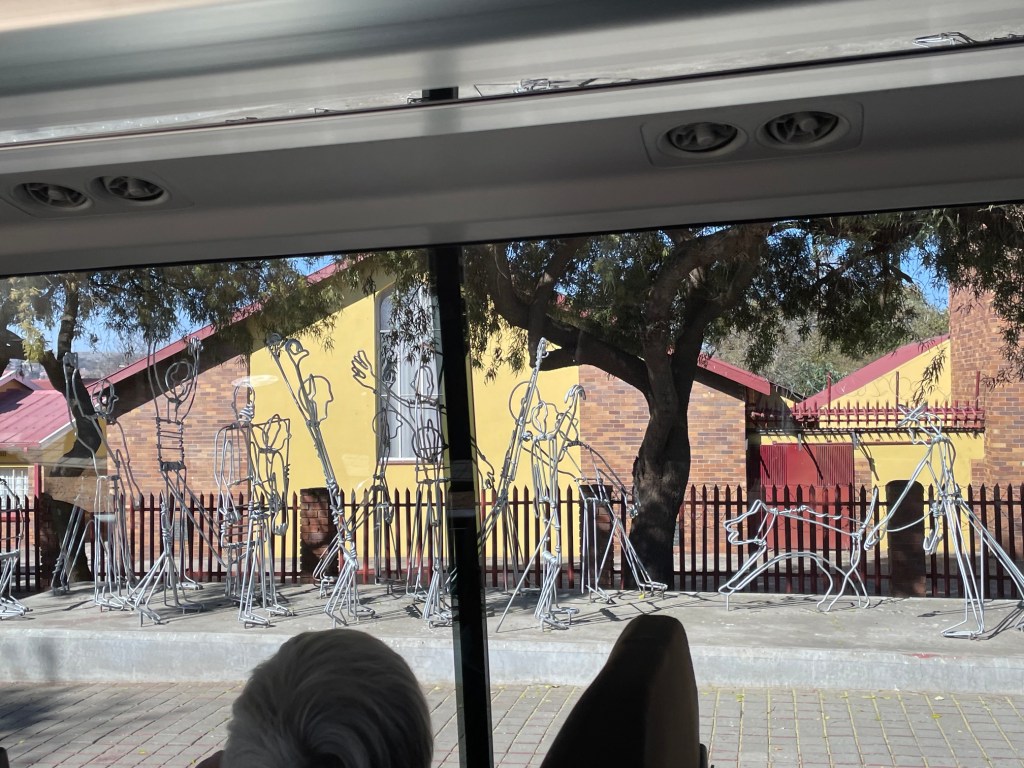
On June 16, 1976, massive student-led protests took place in Soweto. It was later called the Soweto Uprising. These massive demonstrations were met with police violence and children were killed. This sculpture below commemorates those children whose lives were brutally taken.
After safely returning to downtown Joburg, we visit the old prison and Constitution Hill.
It is important that we learn how bad governments can get when racism takes over. I didn’t go into these cells, because it felt like bad juju. The white authorities treated the black majority terribly during the 20th Century, kept them in poverty, did not allow them to vote and perpetrated crimes against humanity here.
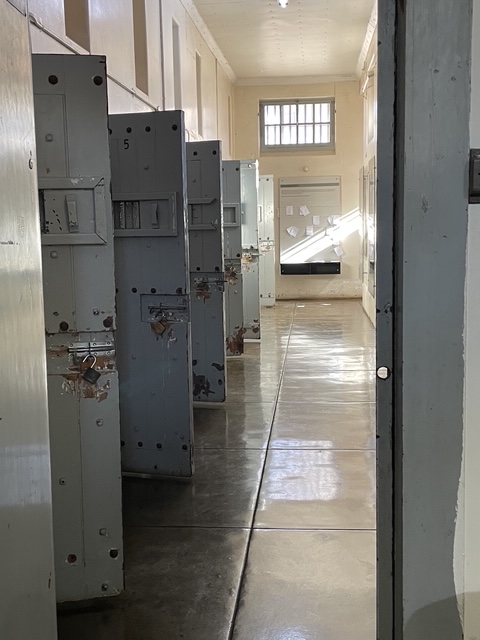
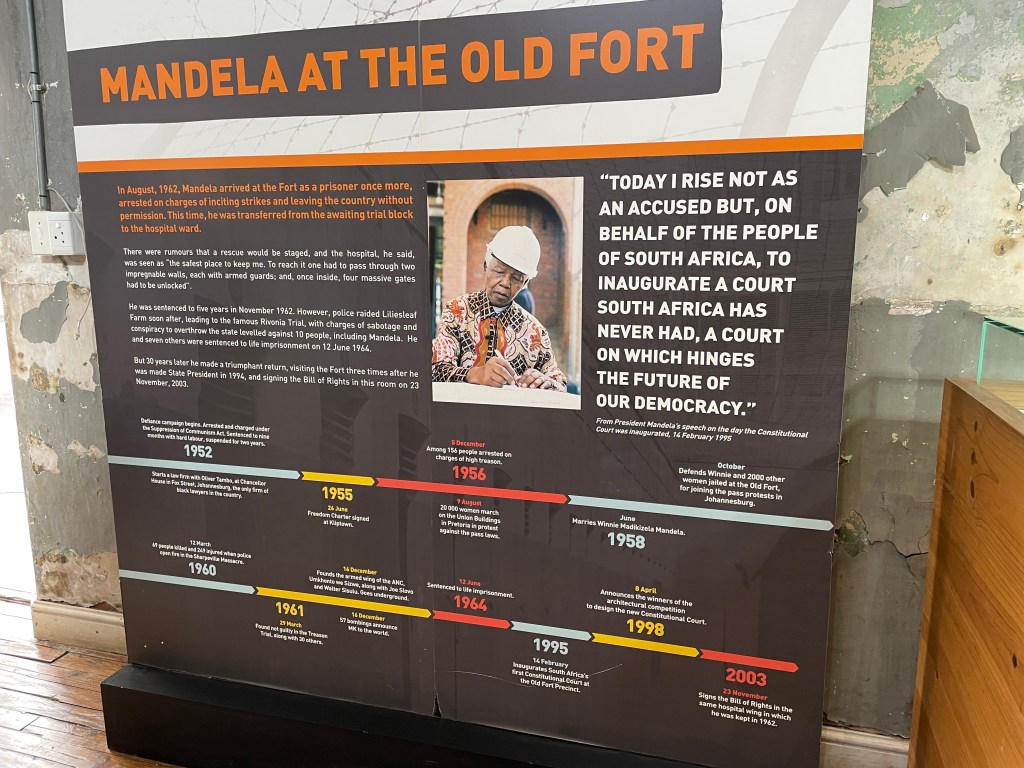
This is an important part of South Africa’s history, and so it became the location of the new Parliament Building.
Our trip leader, Naume (pronounced Now-May) outside the new Parliament Building:
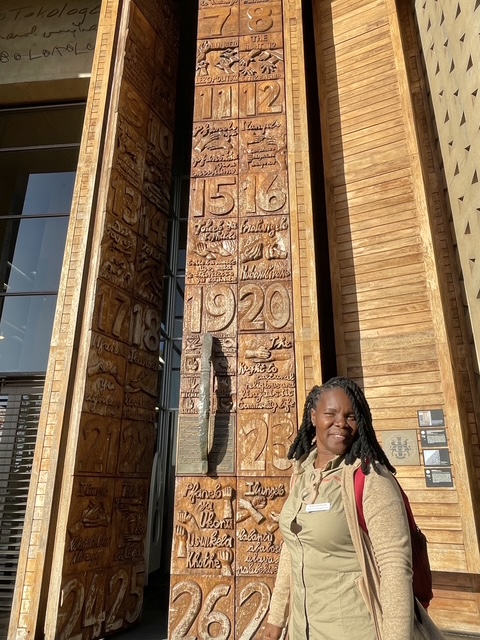
We are lucky to get to see inside the building, as they were not in session at the time.
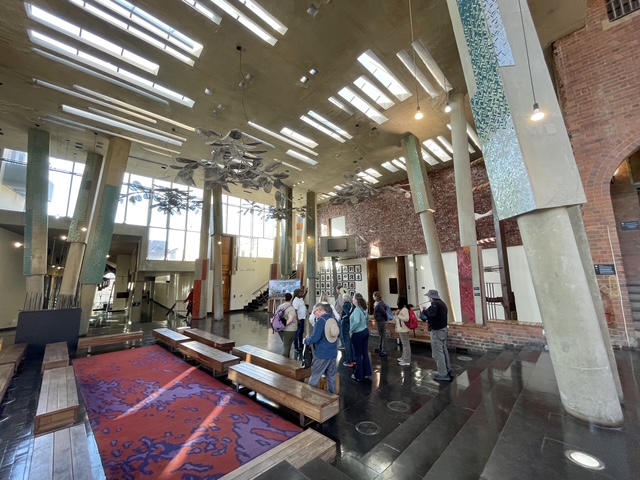
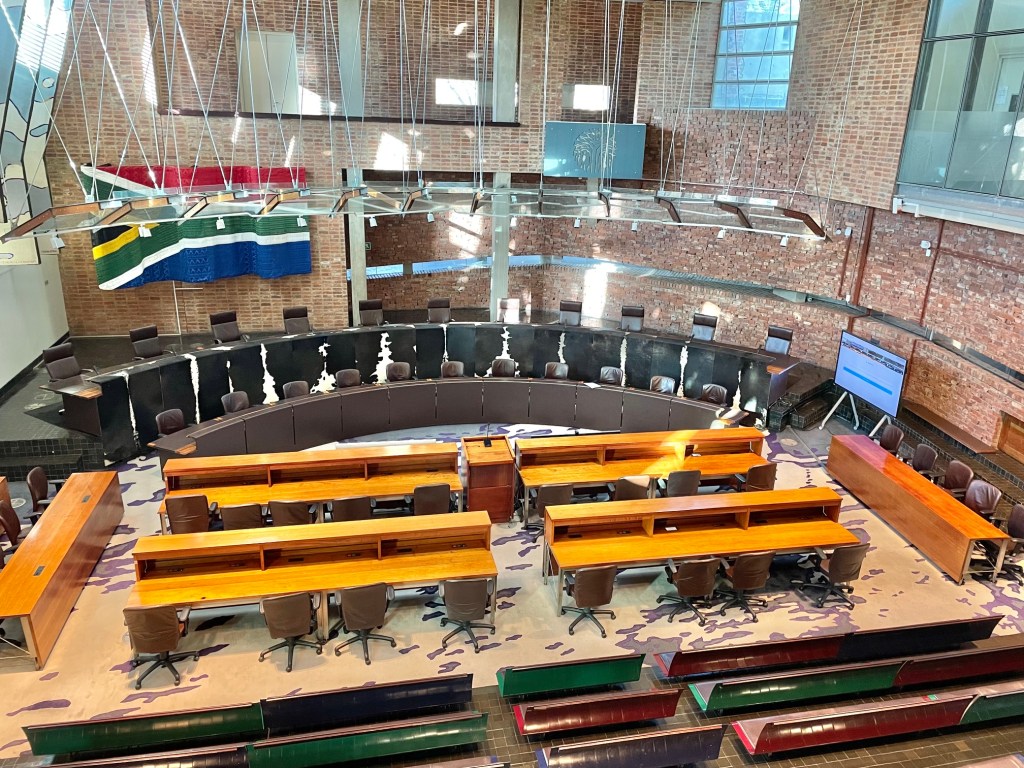
On the wall are former and recent democratically elected leaders of South Africa. I hope the current representatives of parliament can clean up any corruption that may exist, and truly serve the people of South Africa. With 33% unemployment in Johannesburg, people need jobs, clean food, clean water and a more reliable infrastructure.
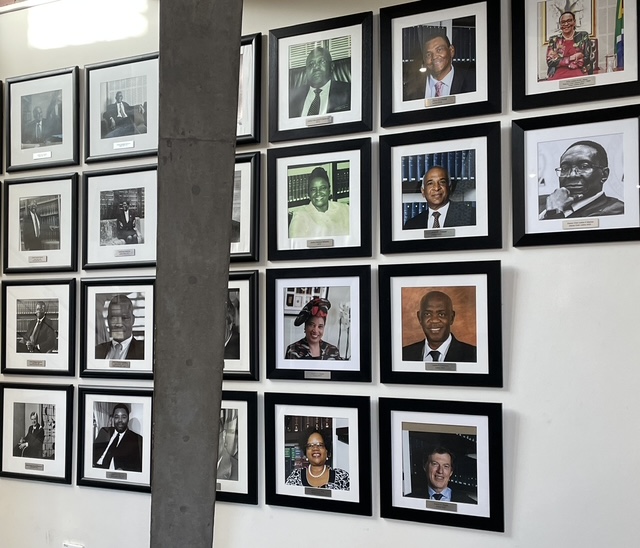
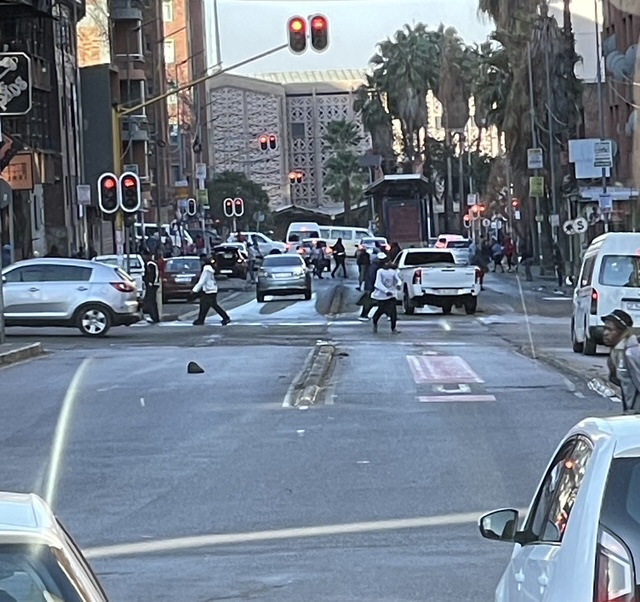
I am happy that we ventured into the heart of Johannesburg. I was nervous about it, truthfully. But in the end we ended up having an amazing experience!
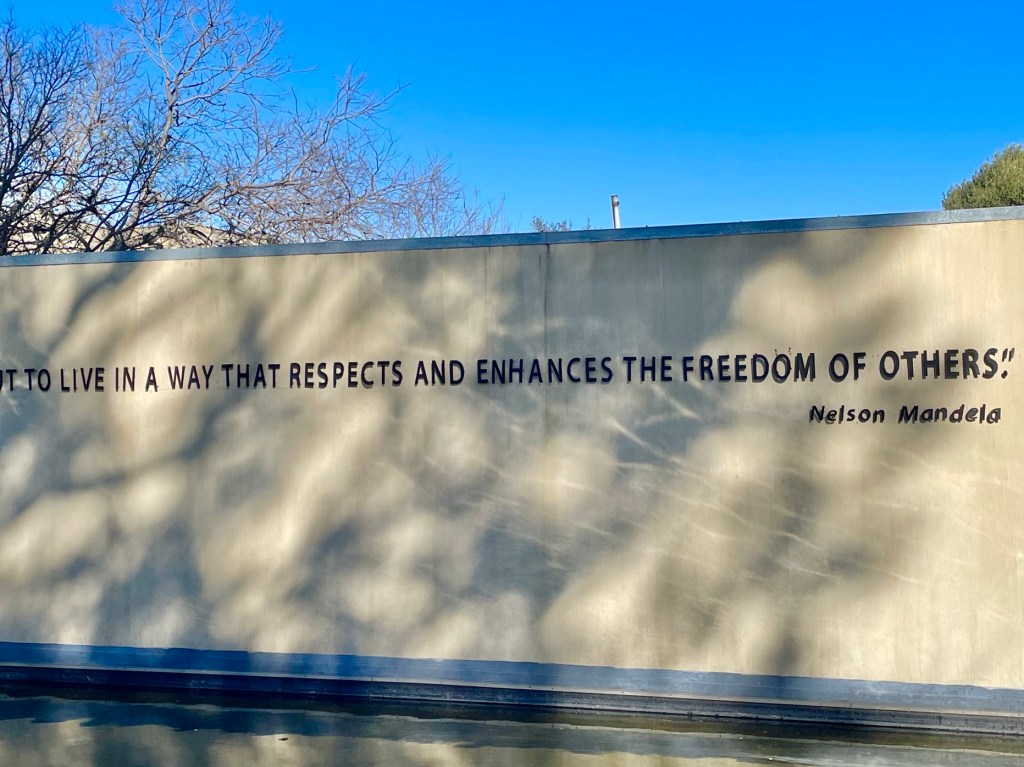
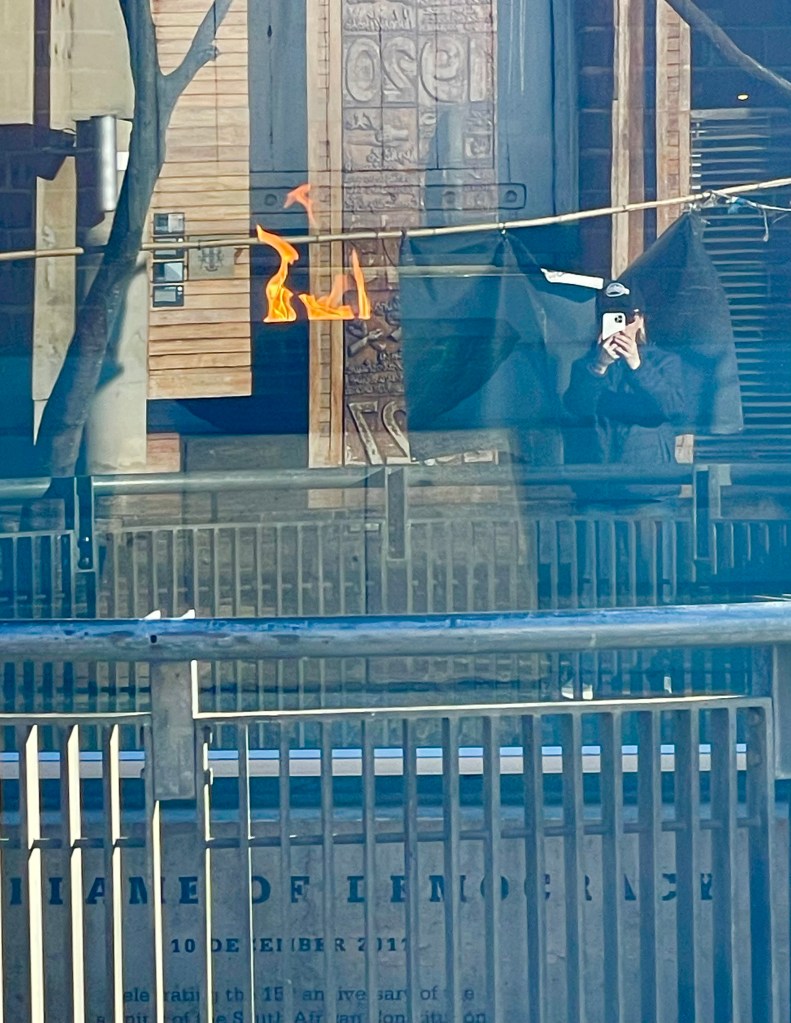
The legacy of Mandela, Tutu, Tambo and the others will forever burn bright. The flame of Democracy will live on because of them.
UP NEXT: Waterfalls and Rhinos in Zambia!!


Fascinating to read this through your eyes, Diana. Thank you!
LikeLike
Hey, Liz! I left you a DM on Facebook. Thanks for your comments!
LikeLike